CRM strategy and independent advice, before you choose or build
CRM Force helps small and mid-sized businesses choose a CRM before anything is bought or built, and guides the project afterwards. The advice can point to Salesforce, your own CRM or a package you set up yourself.
- Advice on Salesforce, your own CRM or a package
- Guidance until after go-live
- Pascal is your fixed point of contact
At a glance
Updated on
- What it is
- Advice on your CRM before anything is chosen or built, and guidance through the project that follows.
- Who it's for
- Small and mid-sized businesses choosing, replacing or rebuilding a CRM, or whose Salesforce project has stalled.
- What it delivers
- An overview diagram of your processes and systems, a reasoned choice, a phased plan and agreements on who can change what.
- Price
- Depends on the number of sessions, the number of systems and whether CRM Force guides the project afterwards. The scan on this page is free.
- Delivery
- With CRM Force, with another supplier or yourself. The advice doesn't commit you to anything.
- Point of contact
- Pascal is your fixed point of contact, backed by a steady group of specialists.
Where are you now?
- Your customer data lives in Excel and your inbox, and you want a CRM, but you don't know where to start.
- You are torn between Salesforce, your own CRM and a package like Pipedrive or HubSpot.
- Your Salesforce org has grown over the years, and nobody knows exactly what is in it anymore.
- You want your own team to maintain Salesforce, without needing someone from outside for every change.
How is your CRM doing?
Answer the ten questions of the CRM strategy scan and see straight away where your CRM stands. You only leave your details if you want to discuss the outcome.
How mature is your CRM strategy?
Answer a few short questions and see in about five minutes where your CRM stands today and where the most can be gained.
Takes about 3 to 5 minutes.
How CRM Force handles the strategy and the project
1. Intake with the people who decide and the people who use it
With management and the people who will work in the system: what the CRM has to deliver and where things get stuck today.
2. Mapping processes and data
From first contact to invoice, and where the data lives today: Excel, email or an old system. It all goes onto one overview diagram.
3. The choice and the plan
In a workshop we hold Salesforce, your own CRM and a package up against your processes. Then we record what goes into the first phase and who owns it.
4. Guiding the delivery
CRM Force keeps an eye on what gets built, the planning and the budget, aligns with the builder or supplier and tests what is delivered.
5. Handover and management
Your team learns to maintain the system itself, and there are agreements on who can change what.
Making decisions with a diagram of your systems at hand
Many questions in a CRM strategy are about how things connect: which system leads for a customer record, who can change this field, what is affected if this integration changes. CRM Force puts your systems and integrations on one diagram, so for each question you can point to what it is about.
- One picture for everyone at the table, technical or not.
- You see which systems a decision affects.
- You see what has been agreed and what is still open.
Staff Capital: a clearer view of Salesforce and a team that does more and more itself
Staff Capital, a Dutch payroll and staffing company, has CRM Force map its Salesforce org, reduce its complexity and help with ongoing Salesforce projects. Staff Capital's own team is learning to maintain the org itself through the CRM Force training platform.
Read the Staff Capital customer story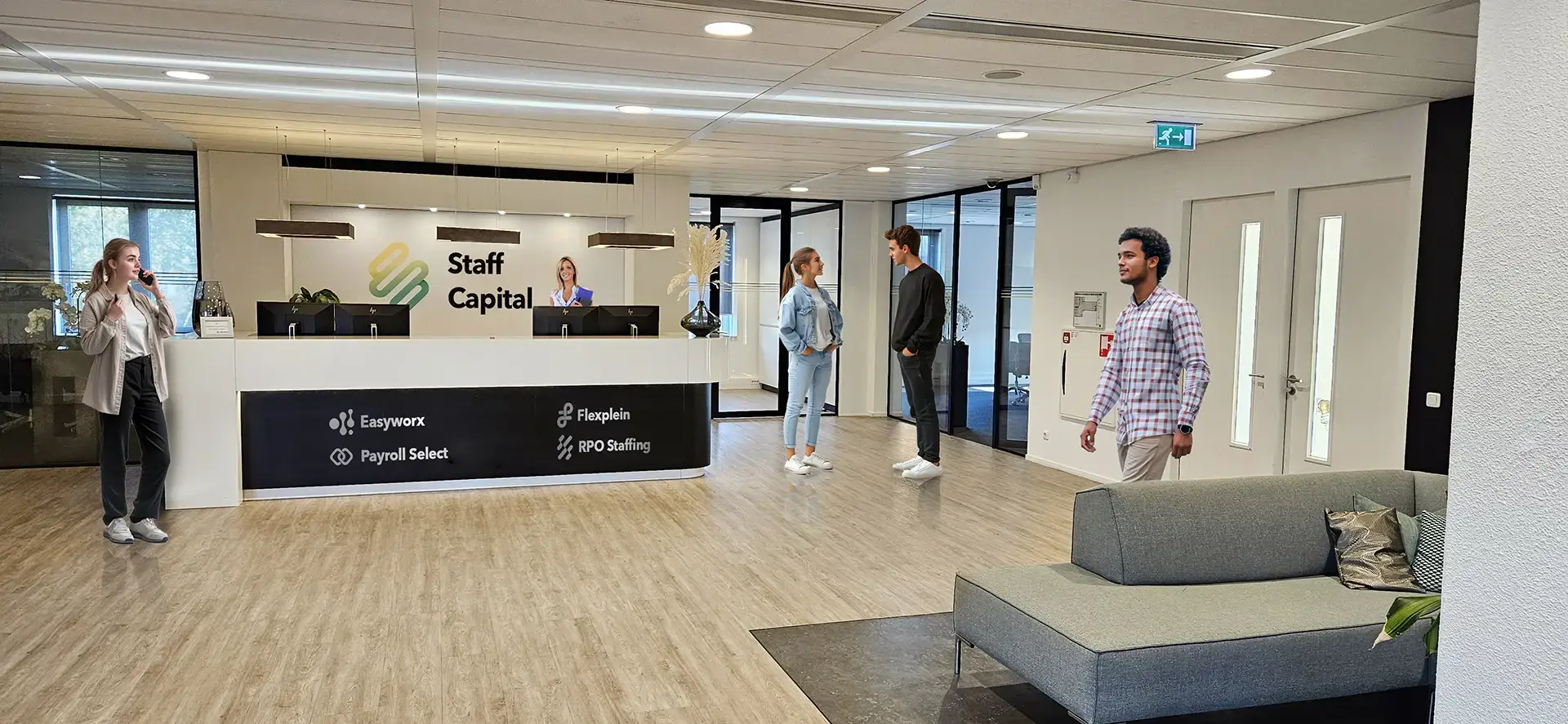
What does CRM advice from CRM Force cost?
CRM advice from CRM Force has no fixed price, because the scope differs from business to business. The price of a CRM strategy engagement depends on three things:
- the number of conversations and sessions with your team;
- the number of systems and integrations that need to be mapped;
- whether CRM Force also guides the project afterwards, and for how long.
The CRM strategy scan on this page is free.
You aren't tied to anything: you can carry out the advice from CRM Force with CRM Force, with another supplier or yourself. If you choose your own CRM from CRM Force, you pay a fixed fee of €200 a month including the first user.
Frequently asked questions about CRM strategy and guidance
Is CRM Force independent, if you deliver Salesforce and your own CRMs yourselves?
CRM Force implements Salesforce and builds CRMs of their own for clients, and says so up front. The advice follows one fixed question: is your process unusual, or do you need the heavy standard features of Salesforce? If a package like Pipedrive or HubSpot will do, that is the advice you get, and you won't need CRM Force to carry it out.
Can CRM Force guide a project that another supplier carries out?
It can. CRM Force then manages the implementation by the other supplier on your behalf: keeping an eye on what gets built and when, testing deliveries and making sure decisions are recorded.
We already have Salesforce, but it has stalled. Where do you start?
By mapping what is there: which automations, fields and permissions exist and what they do. Then you decide what gets cleaned up, simplified or set up again. CRM Force started with that same step at Staff Capital.
What does a CRM strategy deliver?
An overview diagram of your processes, systems and integrations, a reasoned choice for Salesforce, your own CRM or a package, a phased plan and agreements on who owns the system and who can change what. You can also use those documents if a supplier other than CRM Force carries out the project.
What is the CRM strategy scan on this page?
Ten questions covering goals, processes, data quality, usage, reporting, integrations and ownership, among other things. You see straight away where your CRM stands. If you want to discuss the outcome with CRM Force, you leave your details.
Book a strategy session with Pascal
Describe briefly where you are: choosing a CRM, replacing a CRM or a project that has stalled. Pascal will get in touch to arrange a conversation.
What is a CRM strategy?
A CRM strategy, or CRM vision, sets out what your CRM has to deliver, for whom, and how you get there. It happens before you choose a system or have one built.
A usable CRM strategy answers four questions: which processes the CRM supports, where the customer data comes from, who owns the system and what goes into the first phase. CRM Force writes those answers down in plain language, with a diagram of your systems alongside, so management and users have the same plan in front of them.
How independent is CRM advice from CRM Force?
CRM Force implements Salesforce and builds CRMs of their own for clients, and you hear that up front. The advice follows one fixed question, so you can check why a route is recommended: is your process unusual, or do you need the heavy standard features of Salesforce?
Salesforce fits if you have admins in house, if requirements come from outside, if you need heavy standard features or if you are already on Salesforce. If your process is unusual and none of those four applies, your own CRM fits. If your sales run from lead to deal and nobody from outside needs to log in, a package like Pipedrive or HubSpot will do. The full trade-off is set out under Salesforce or your own CRM.
How do you choose a CRM system?
Choose a CRM system in five steps, and only look at suppliers and quotes in the fifth.
- Write down how you work today, from first contact to invoice.
- List which systems you have and where the customer data lives.
- Decide who will own the CRM and who can change what.
- Choose between Salesforce, your own CRM and a package: is your process unusual, or do you need heavy standard features?
- Only then ask for quotes, and compare them on management, data ownership and what happens after go-live.
In a CRM selection, CRM Force can take every step with you, or only the steps where you want an advisor.
What does someone guiding a CRM project do?
The person guiding a CRM project keeps an eye on what gets built, the planning and the budget on your behalf, and makes sure decisions are taken and recorded in time.
At CRM Force, guiding a CRM project means: a list of requests in order of importance, demos of what has been built, alignment between management, users and the builder, and testing before anything goes live. That way you see during the project what is ready and what is still to come.
Why do CRM projects stall?
A CRM project can stall on the organization around it: nobody owns it, decisions are left lying or the processes were never written down.
On a stalled CRM project, CRM Force first records who decides, what the first phase is and who manages the system after go-live. Only then does building continue. If it is about Salesforce and you want your own people to maintain it afterwards, that is possible with the training platform for admins and key users.
Salesforce strategy for an org that is already in place
If you already have Salesforce, a Salesforce strategy starts with what is there: which automations, fields and permissions exist and what they do.
CRM Force maps that, cleans up what nobody uses anymore and draws up a plan for the next step. If it is mainly about cleaning up and ongoing management, take a look at Salesforce optimization and admin support.
Updated on